


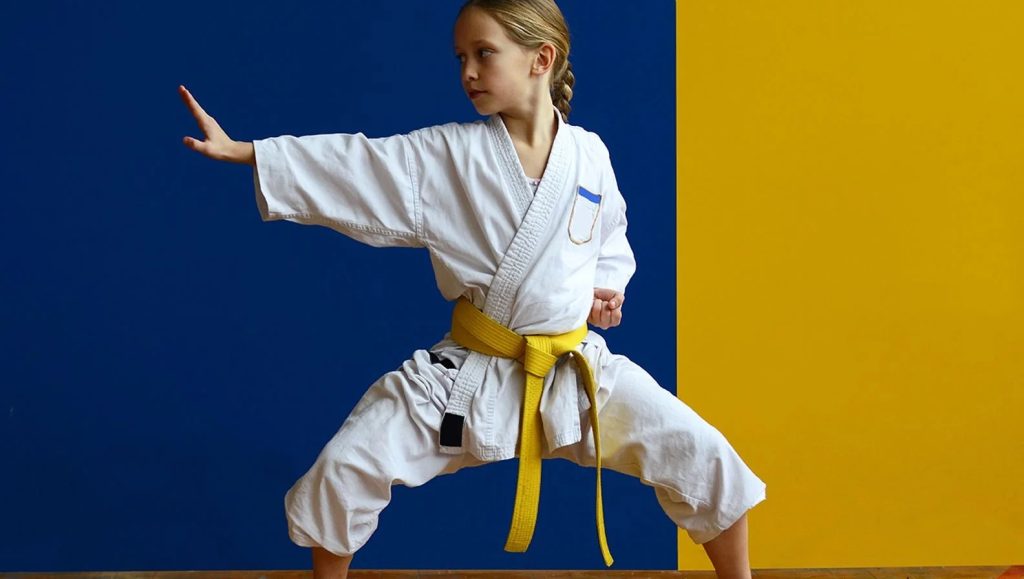
Attention Deficit Hyperactivity Disorder (ADHD) is a neurodevelopmental condition that affects many children worldwide. Kids with ADHD often struggle with impulsivity, hyperactivity, and inattention, which can impact their academic performance and social interactions. While there is no cure for ADHD, there are various strategies to manage its symptoms effectively. One such method that has shown promising results is Taekwondo, a Korean martial art that combines physical movements, mental focus, and self-discipline. In this blog, we will explore how Taekwondo can benefit children with ADHD and why it can be an excellent activity for their overall well-being.
1. Improved Focus and Concentration:
One of the primary challenges for children with ADHD is maintaining focus and concentration. Taekwondo training involves learning various patterns of movements, which require sustained attention to detail. As children practice and advance through different techniques, they develop better focus and mental discipline. The structured and repetitive nature of Taekwondo training helps kids with ADHD build better attention spans that can translate into other aspects of their lives, such as schoolwork and homework.
The Role of Routine and Repetition in Building Success
2. Channeling Energy and Managing Impulsivity:
Hyperactivity and impulsivity are common traits in children with ADHD. Taekwondo provides a structured environment where kids can release excess energy and learn to control their impulses. The physical aspects of Taekwondo training allow children to engage in rigorous exercise, helping them channel their energy in a positive and controlled manner. As a result, they may experience reduced restlessness and improved self-regulation outside of the Taekwondo class.
Building Momentum Outside of the Dojang
3. Boosting Self-Esteem and Confidence:
Children with ADHD often struggle with self-esteem issues due to their difficulties in managing everyday tasks. Taekwondo provides a supportive and non-judgmental environment that encourages individual progress. As kids learn and master new skills, their confidence grows, and they experience a sense of accomplishment. This newfound self-assurance can extend to other areas of their lives, leading to improved social interactions and better overall self-esteem.
How Mind-Body Connection Supports ADHD Management
4. Teaching Self-Discipline and Patience:
Taekwondo places a strong emphasis on self-discipline and patience. Children with ADHD can benefit from the structured routines and adherence to rules that Taekwondo training entails. By following the protocols of the martial art, kids learn the value of self-control and patience, which are essential skills in managing impulsivity and making thoughtful decisions.
Parent Involvement and Positive Reinforcement
5. Enhancing Social Skills:
Participating in Taekwondo classes offers children with ADHD an opportunity to interact with peers in a controlled and respectful environment. As they train together, they learn to cooperate, support each other, and respect their training partners. These social interactions can help improve their communication and teamwork skills, fostering positive relationships with their peers.
Why Camps and Extended Programs Matter
- Minimizing passive screen time during breaks
- Encouraging social connections in structured group settings
- Reinforcing daily routines during out-of-school periods
- Supporting emotional regulation through consistent movement
Conclusion:
Taekwondo can be a powerful tool in helping children with ADHD overcome some of the challenges associated with the condition. Through the combination of physical exercise, mental focus, and self-discipline, kids can experience improvements in their attention, impulse control, and overall well-being. As with any intervention, it is essential to work closely with qualified instructors who understand ADHD and can tailor the training to meet each child’s specific needs. By incorporating Taekwondo into their lives, children with ADHD can develop valuable life skills that can positively impact their academic, social, and personal growth.